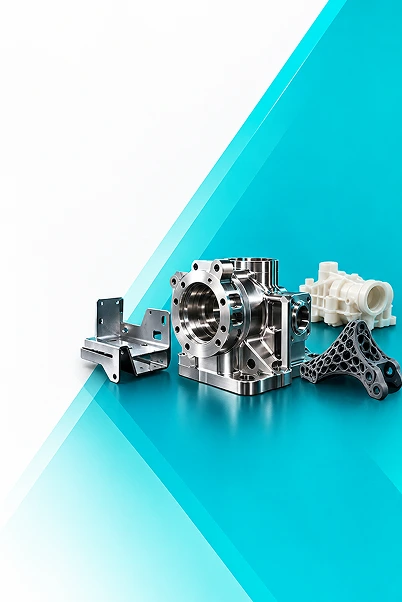


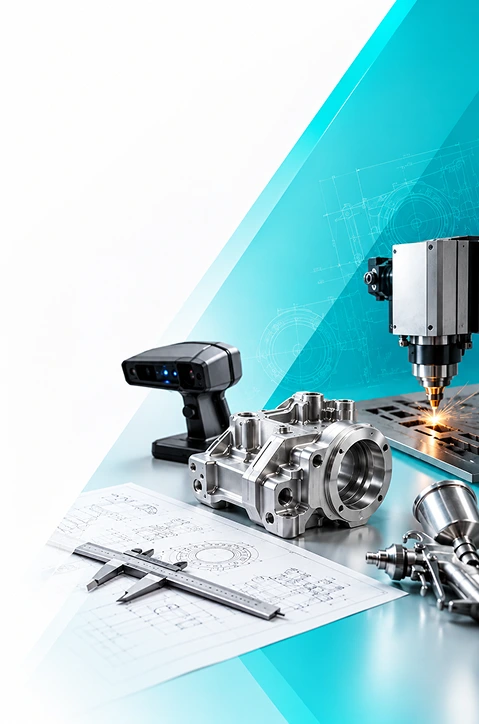



What It Is
An additive manufacturing process that builds three-dimensional components layer by layer from digital CAD models, enabling custom geometries and design flexibility.

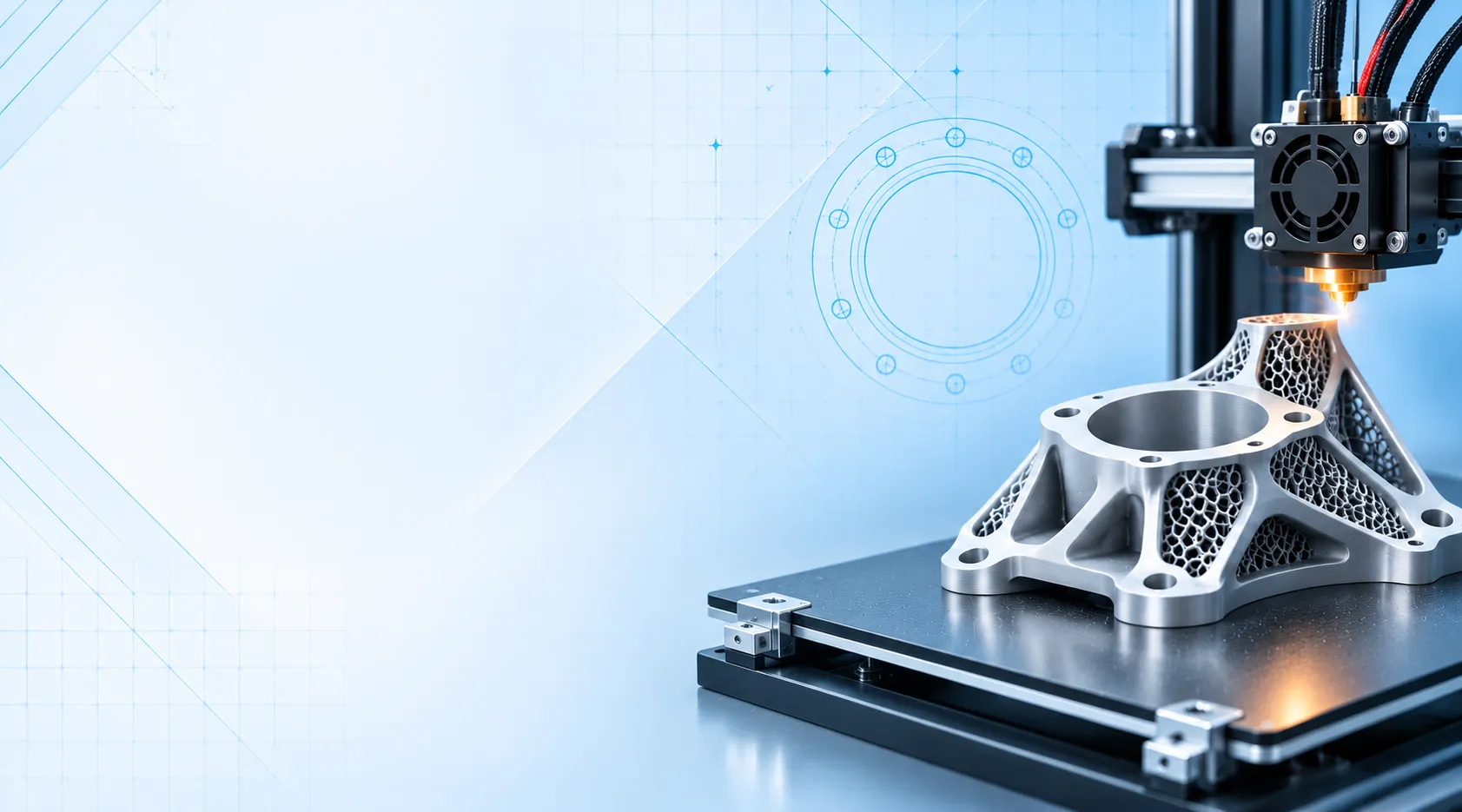
3D PRINTING SERVICES
Explore Trinit's 3D printing and additive manufacturing options for custom prototypes, complex geometries, functional components, and low-volume production needs. Discuss your CAD designs, materials, dimensions, quantities, and project requirements with our team.
Create physical prototypes to evaluate design concepts, component fit, and functionality.
Additive manufacturing options for intricate shapes and detailed component features.
Explore design variations and custom components without conventional tooling requirements.
3D printing options for development parts, custom quantities, and limited production needs.
CAPABILITY OVERVIEW
3D printing uses additive manufacturing processes to create physical components from digital 3D models by building material layer by layer. Explore suitable printing methods, component applications, material considerations, and production options for your project requirements.
An additive manufacturing process that builds three-dimensional components layer by layer from digital CAD models, enabling custom geometries and design flexibility.
Concept models, functional prototypes, complex component geometries, custom housings, fixtures, and parts requiring design evaluation.
Additive manufacturing options using suitable 3D printing technologies, with process selection based on materials, geometry, surface requirements, and available equipment.
Suitable for prototype development, design iterations, custom components, and low-volume manufacturing, with quantities and processes determined by project requirements.
SERVICES & MANUFACTURING PROCESSES
Explore additive manufacturing options for concept models, functional prototypes, complex geometries, and custom components. Printing process selection depends on part design, material requirements, dimensional specifications, surface finishes, and intended applications.
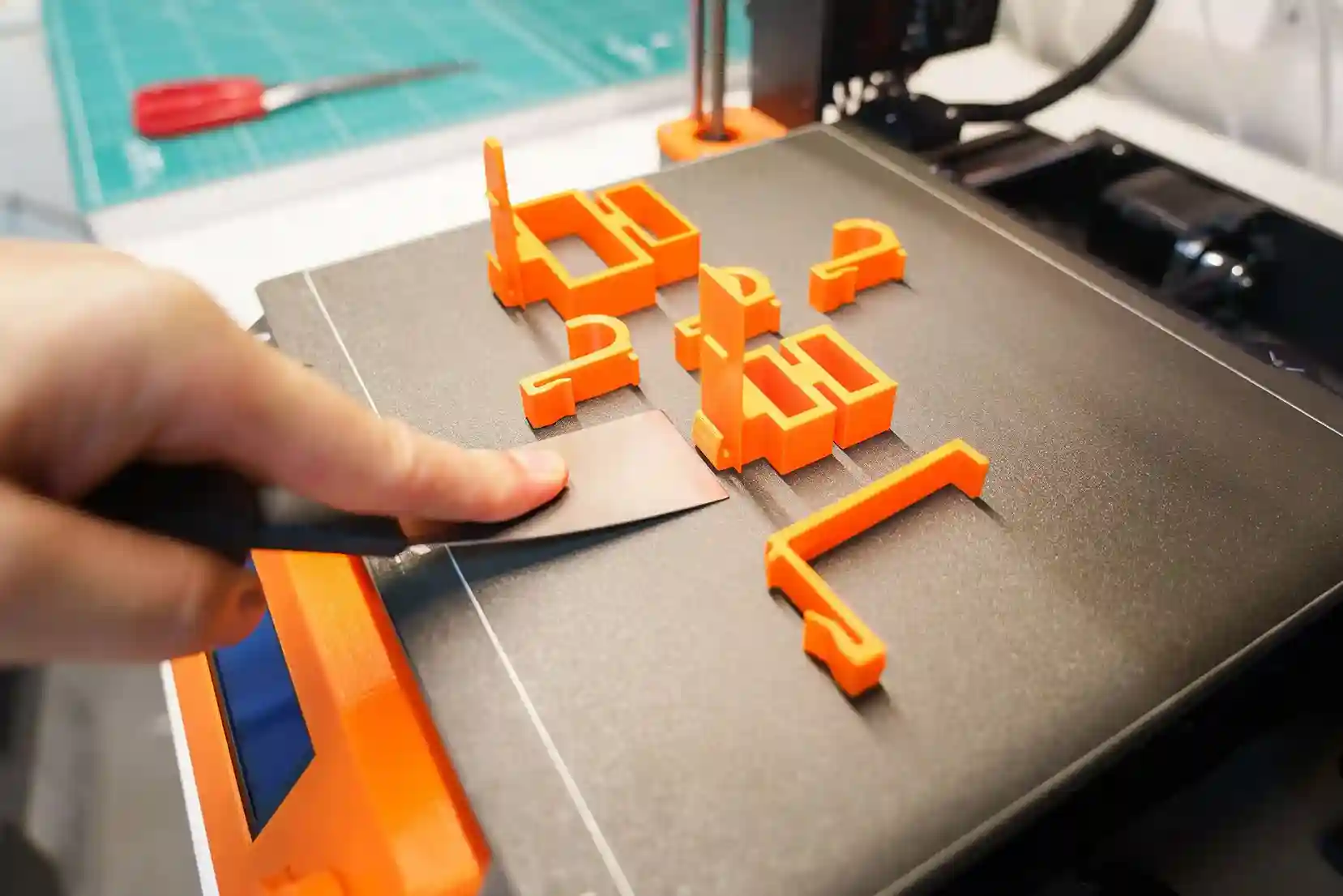
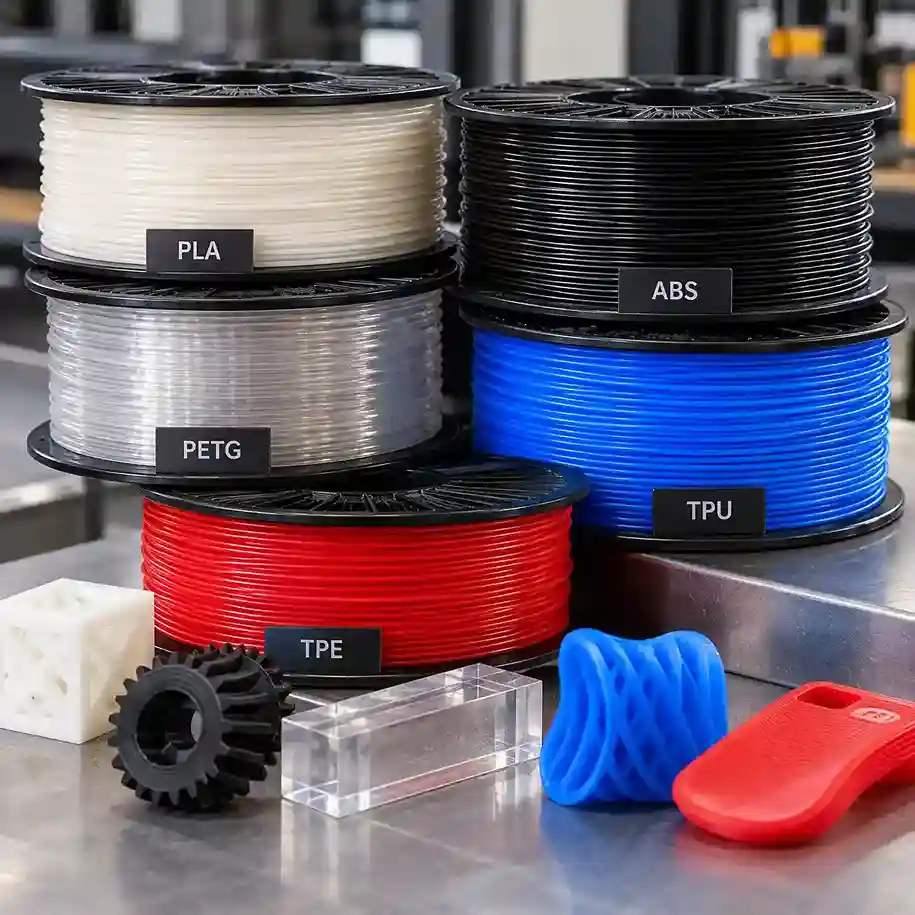
Explore fused deposition modeling (FDM) for producing thermoplastic prototypes, custom component geometries, and functional development parts.
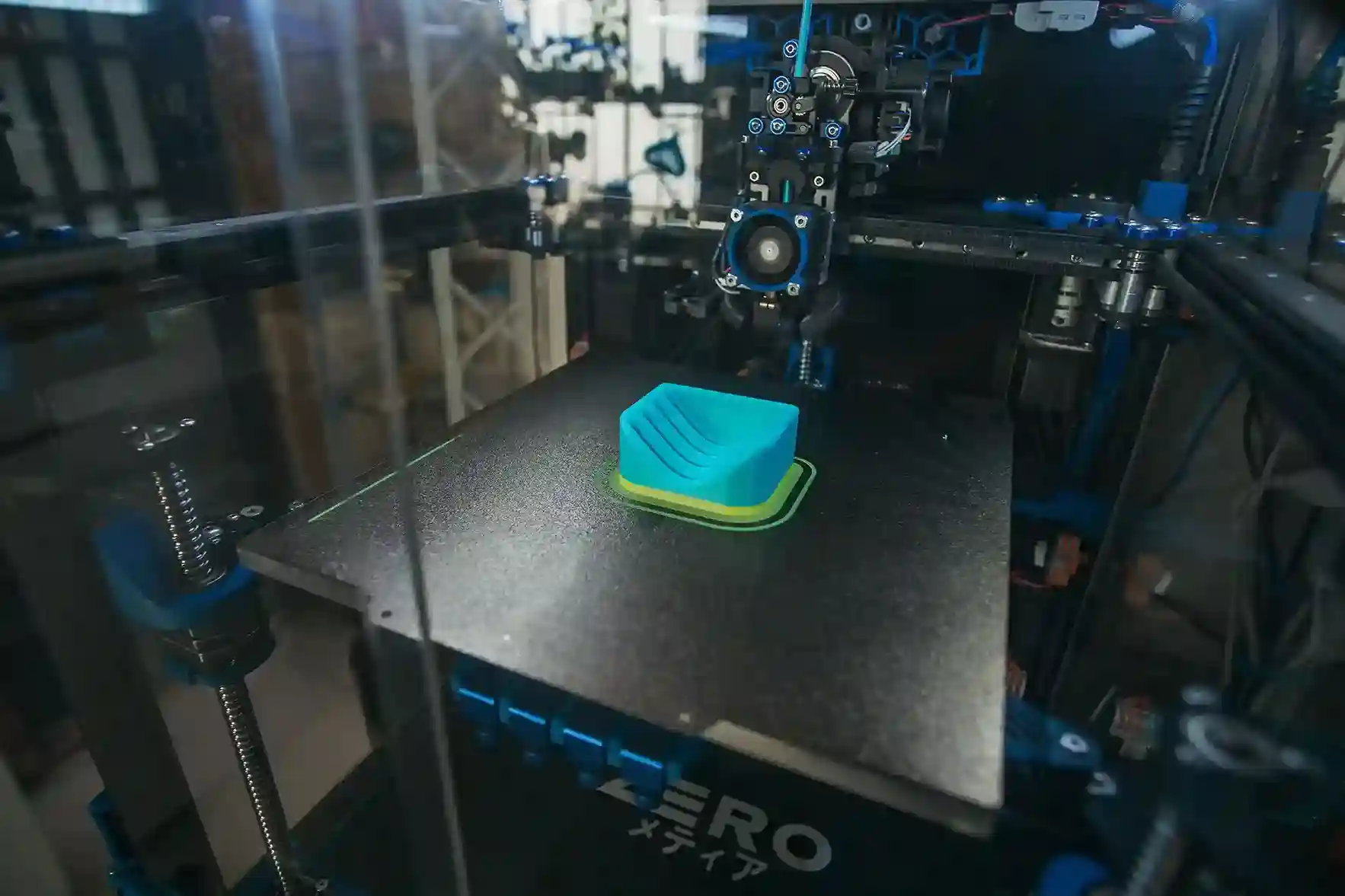
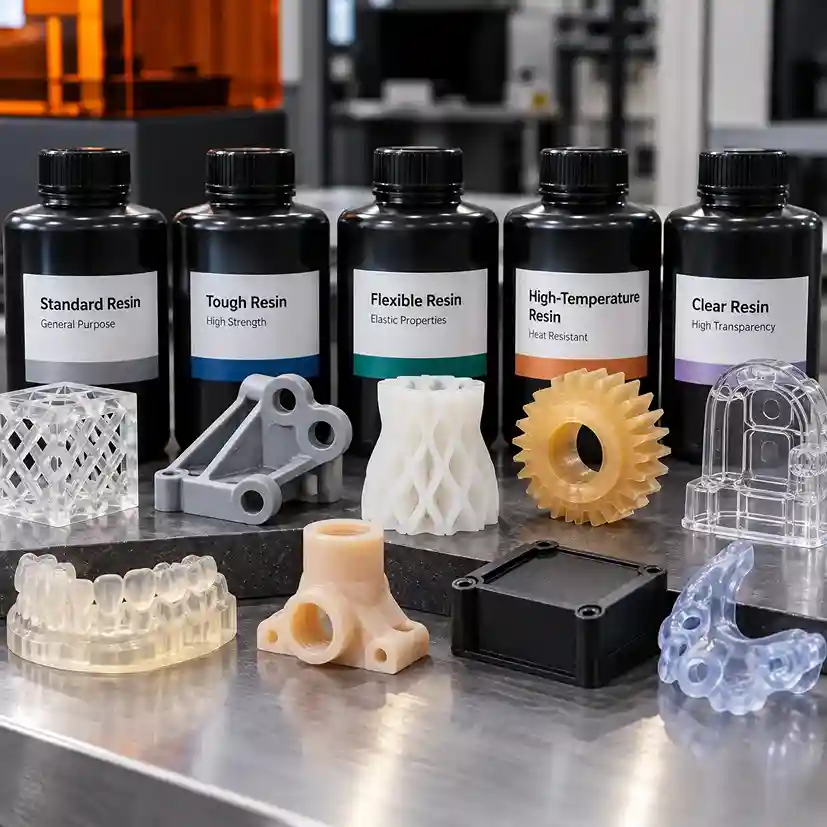
Explore resin-based 3D printing options for components requiring detailed features, fine geometries, and specified surface characteristics.
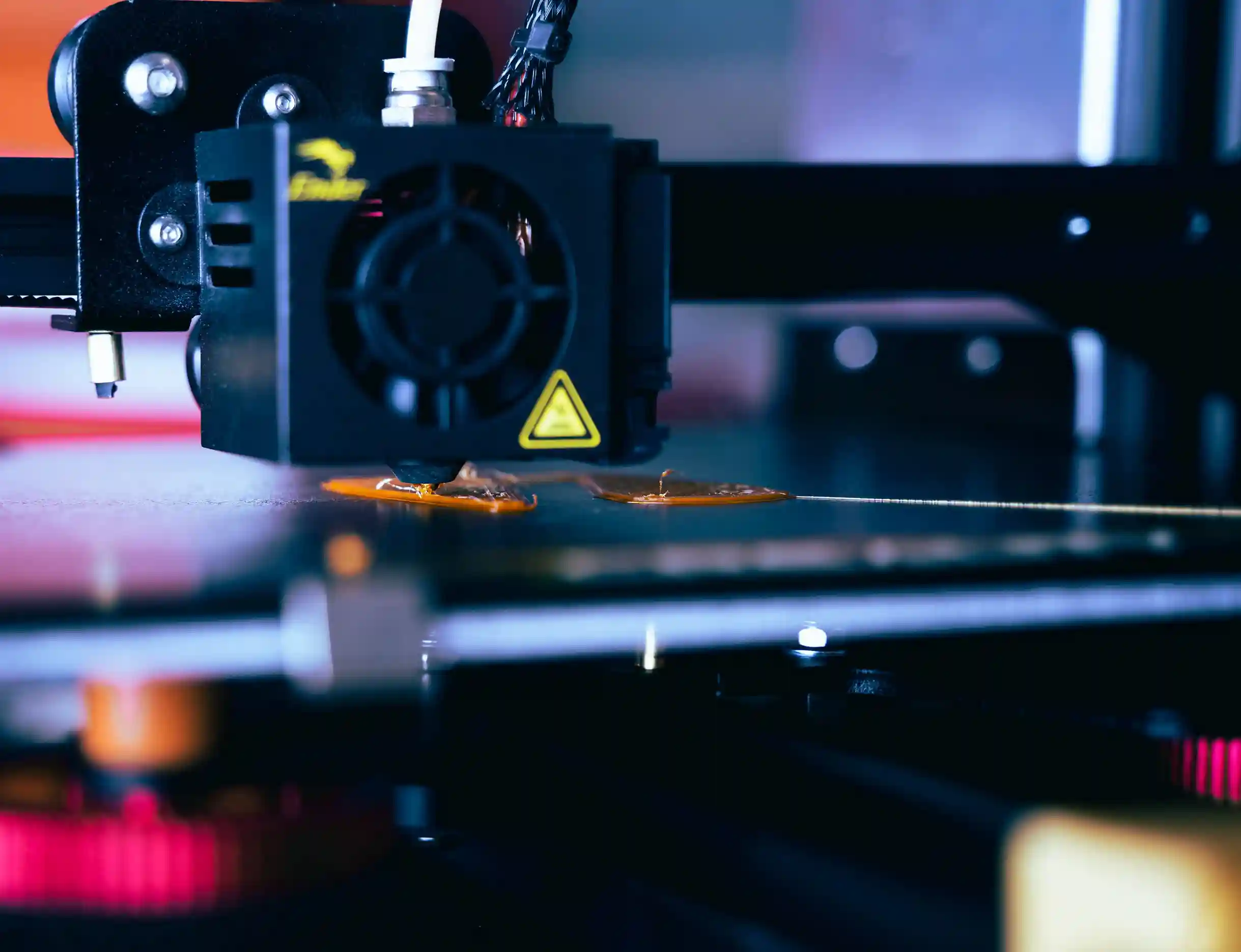
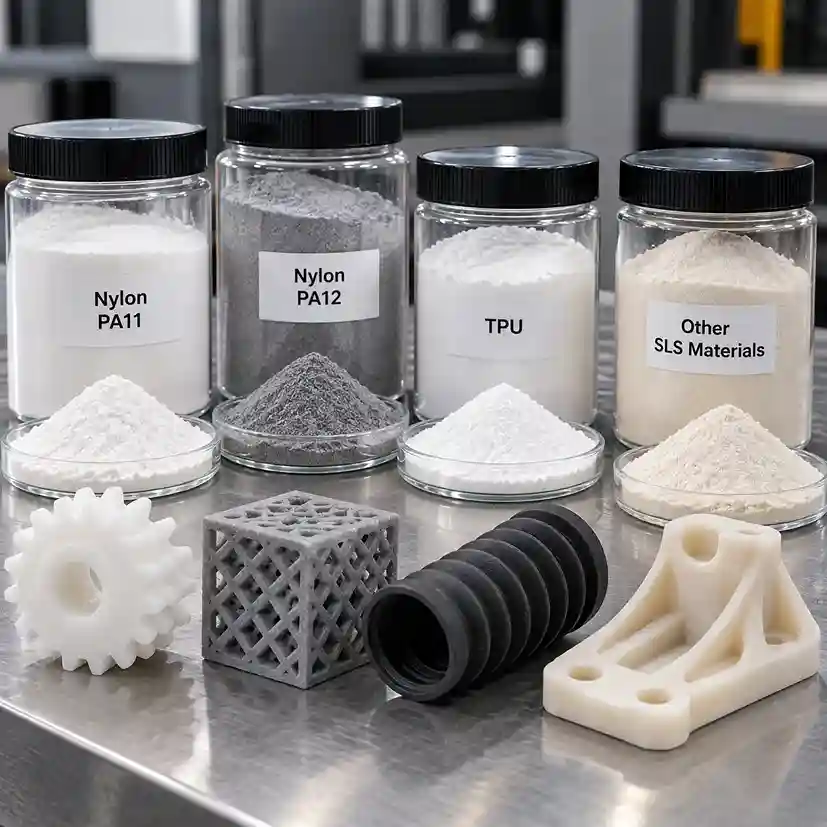
Explore powder-based additive manufacturing options for complex component geometries, functional prototypes, and applications requiring suitable material properties.
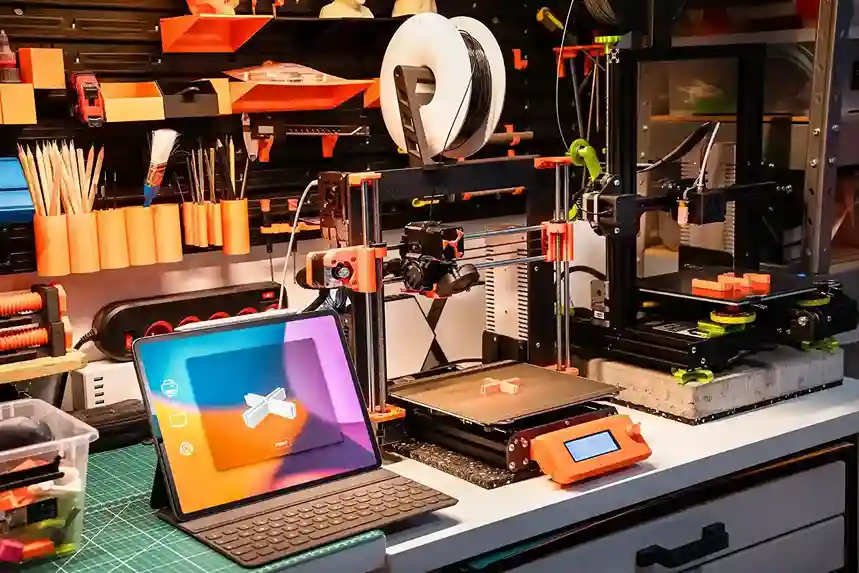
Supporting activities for preparing digital models, reviewing print requirements, and addressing post-processing needs for custom 3D printed components.
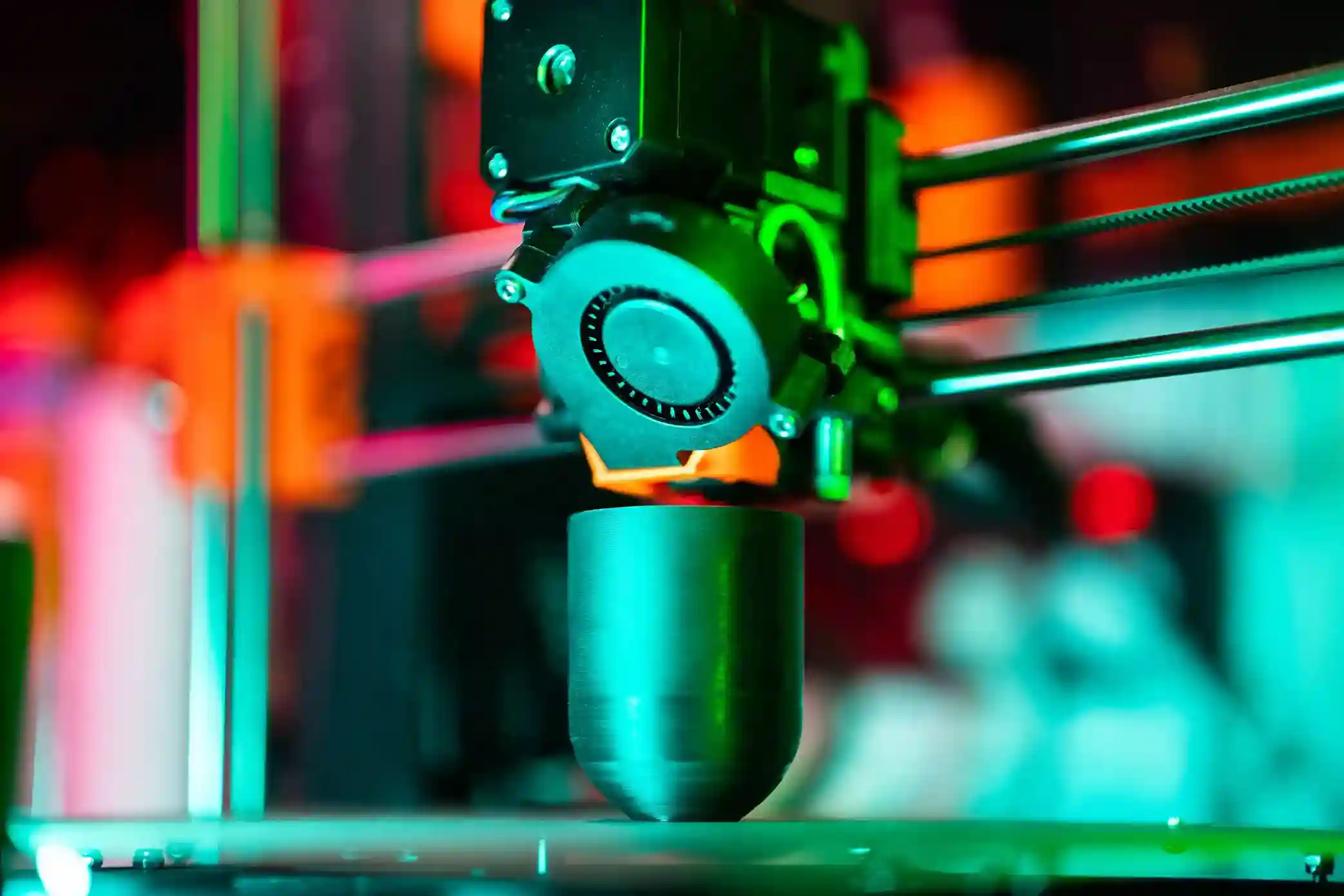
Additive manufacturing options for design evaluation, functional prototypes, custom components, and small-batch development requirements.
MATERIALS & FINISHES
Explore commonly used 3D printing materials and post-processing options for custom components. Material properties, printing technology, part geometry, mechanical requirements, and surface specifications influence the selection of suitable printing and finishing approaches.
Explore suitable thermoplastics, resins, and other printable materials based on project needs.
Explore suitable thermoplastics, resins, and other printable materials based on project needs.
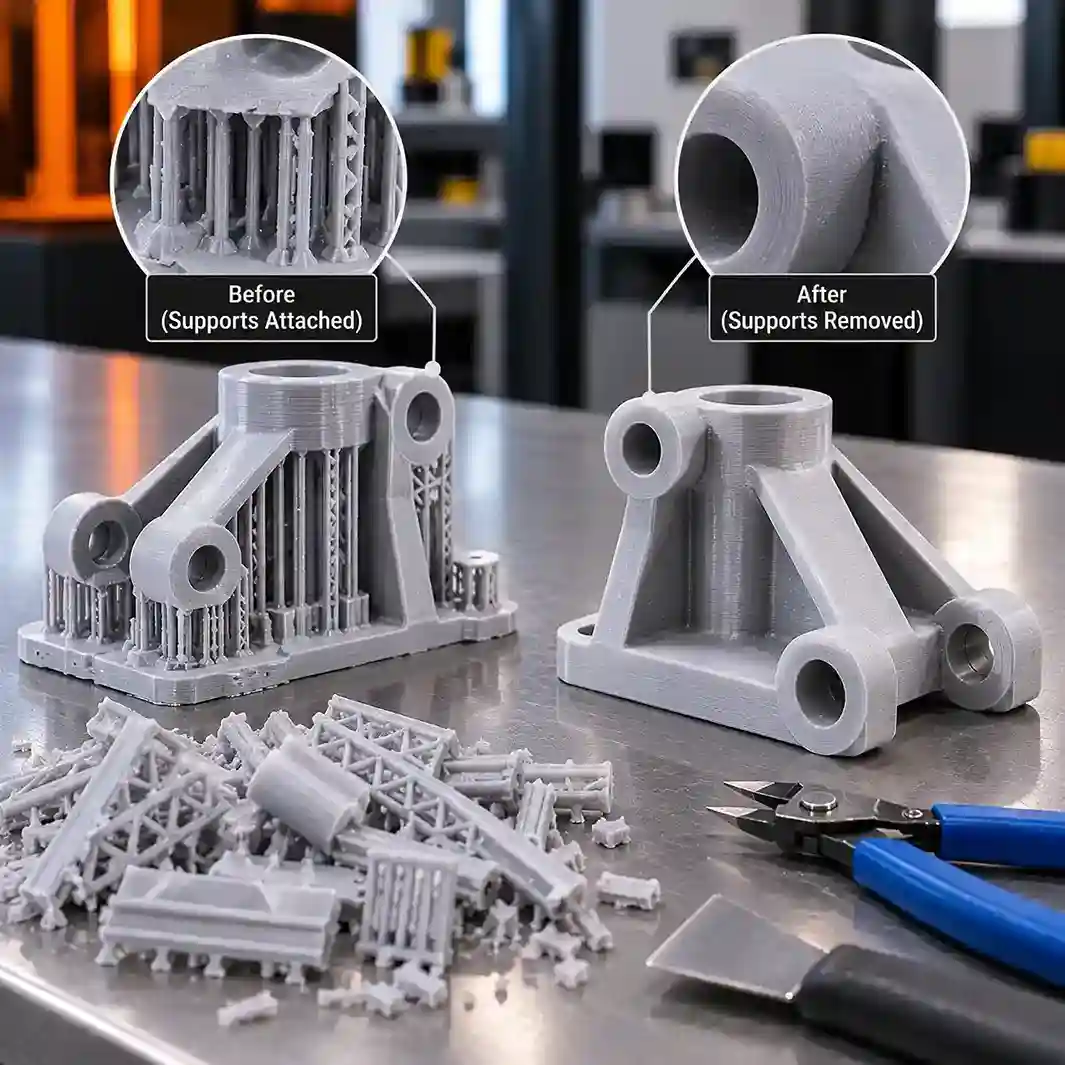
Review support removal, surface preparation, and finishing requirements for printed parts.
Explore commonly specified 3D printing materials, including PLA, ABS, PETG, nylon, and engineering resins, based on printing technology, component functionality, and application requirements.
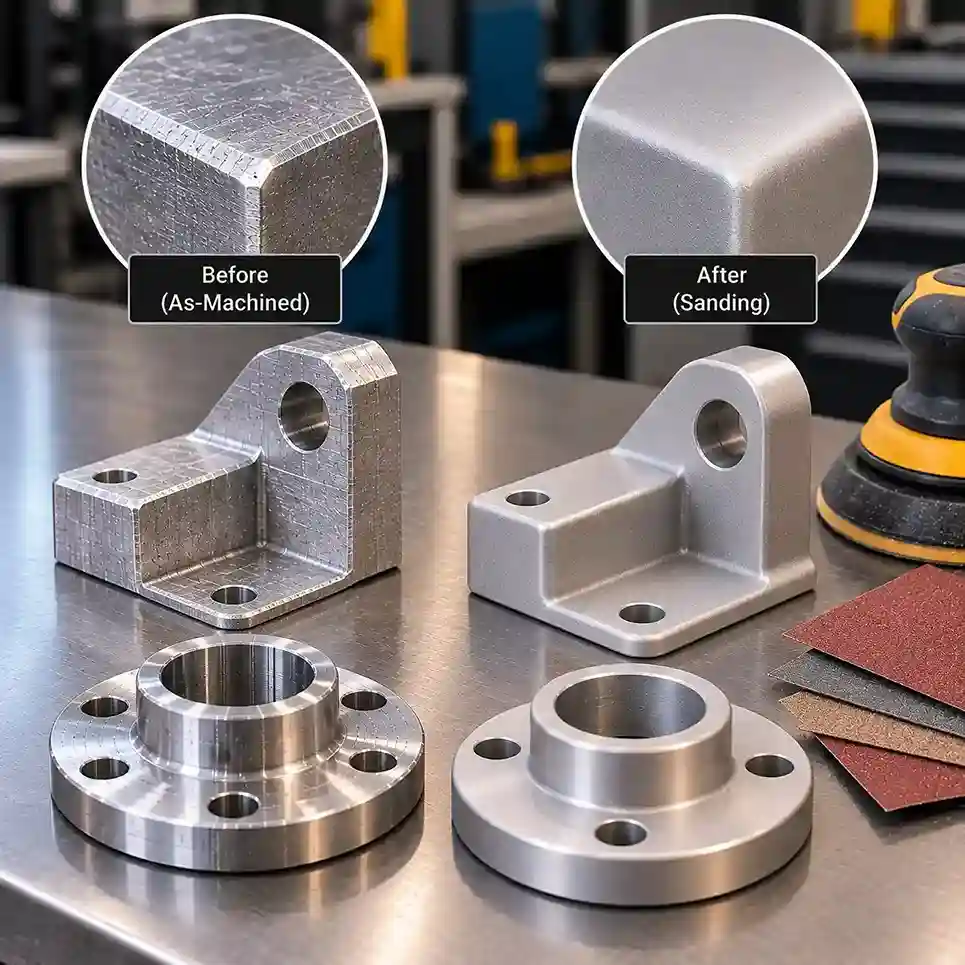
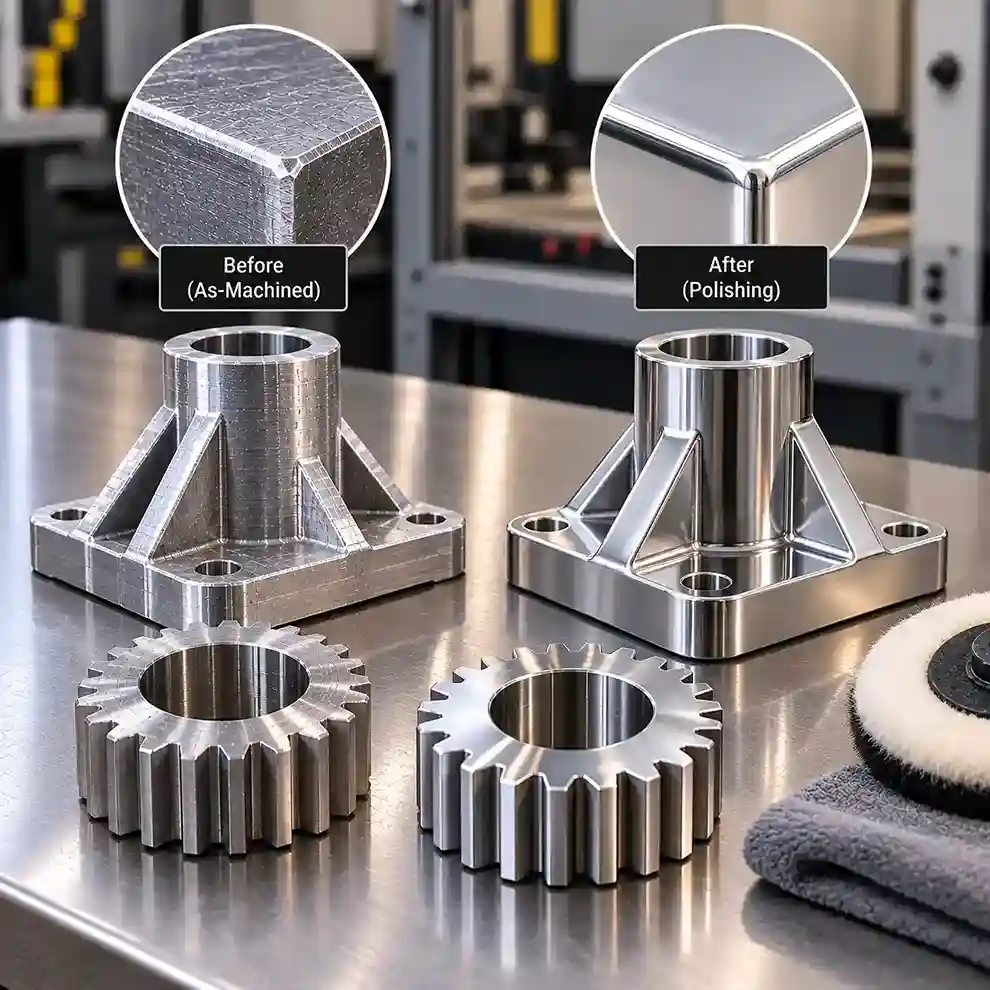
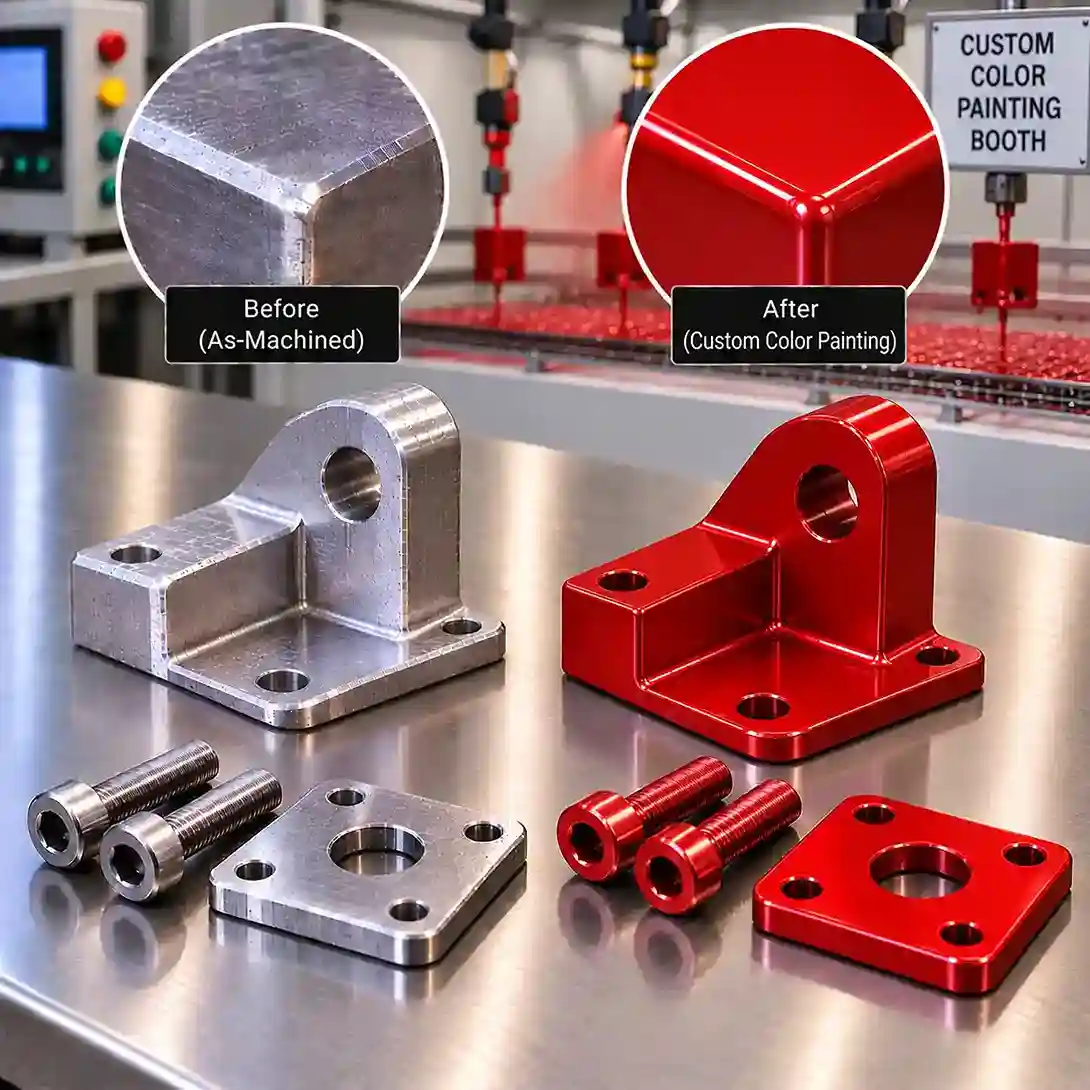
Explore support removal, sanding, polishing, painting, and other post-processing options based on printed material, surface appearance, dimensional requirements, and intended applications.
OUR MANUFACTURING PROCESS
Explore the key stages of additive manufacturing, from reviewing CAD designs and selecting printing materials to component production, inspection considerations, post-processing, and delivery.
Review 3D CAD models, component geometry, dimensions, quantities, and functional specifications.
Identify suitable printing materials, additive manufacturing methods, and build considerations.
Produce components using suitable additive manufacturing processes based on approved digital designs.
Determine relevant dimensional checks, component fit requirements, and documentation needs.
Consider support removal, cleaning, surface finishing, and additional operations where applicable.
Confirm component protection, packaging requirements, delivery details, and shipment arrangements.
Every 3D Printed Component Begins with a Clear Design.
3D PRINTING APPLICATIONS
From aerospace-related prototype components to automotive parts, medical equipment models, and consumer products, 3D printing offers manufacturing options for complex geometries, functional prototypes, custom housings, and development applications.
3D printing options for prototype components and custom designs across different industries.
Printing considerations based on CAD designs, materials, geometry, and intended applications.
Dimensions, material properties, surface needs, and functionality guide process selection.
EXPLORE OTHER CAPABILITIES
Explore Trinit's additional manufacturing capabilities, including CNC machining, sheet metal fabrication, and injection molding, to identify suitable manufacturing processes for different component designs, materials, and production requirements.
Share your 3D CAD files, material preferences, component dimensions, quantities, and functional requirements with Trinit. Our team can review your enquiry and discuss suitable 3D printing and additive manufacturing options for your project.