







CLIMATE TECH MANUFACTURING
Precision Manufacturing Solutions for Climate Tech Components.

Explore CNC machining, sheet metal fabrication, and custom manufacturing solutions for clean energy equipment brackets, housings, enclosures, mounting structures, and mechanical components, based on your drawings and project specifications.
TRINIT PRO CLIMATE TECH CAPABILITIES
- Precision CNC Machining
- Custom Equipment Components
- Drawing-Based Manufacturing
- Prototype & Production Options


CLIMATE TECH MANUFACTURING REQUIREMENTS
Understanding Climate Tech Requirements. Exploring Manufacturing Solutions.
Climate technology equipment can involve demanding requirements for material suitability, mechanical performance, dimensional accuracy, and environmental conditions. Explore how Trinit's engineering and manufacturing capabilities can support your project specifications.
Climate Tech Requirements
Precision & Component Fit
Defined dimensions, accurate features, and reliable mechanical fit for equipment components.
Material & Environmental Requirements
Application-specific materials, durability, and environmental exposure considerations.
Quality & Functional Requirements
Defined inspection, surface finish, and mechanical performance specifications.
Prototype & Production Needs
Development prototypes, custom quantities, and evolving equipment manufacturing requirements.
Relevant Trinit Capabilities
Precision CNC Machining
Machining options for custom equipment parts with specified dimensions and tolerances.
Material & Finishing Options
Material and surface finishing options reviewed against application requirements.
Specification & Quality Review
Discuss drawings, critical dimensions, inspection needs, and manufacturing specifications.
Prototype & Production Options
Manufacturing options for equipment development, custom quantities, and repeat components.
WHY CHOOSE TRINIT FOR CLIMATE TECH MANUFACTURING
Manufacturing Capabilities for Climate Tech Applications.
Explore Trinit's precision machining, fabrication, prototyping, and engineering services for clean energy and climate-related equipment components, with manufacturing options reviewed according to part geometry, materials, and application specifications.
Precision CNC Machining
Machining options for custom equipment parts with detailed features and specified dimensions.
Custom Component Manufacturing
Manufacturing support for equipment brackets, housings, mounting parts, and mechanical components.
Prototype Development
Prototyping options for evaluating clean technology component designs before production.
Engineering & Design Support
CAD design and engineering services for component development and manufacturability.
Material & Finishing Options
Explore suitable metals, engineering plastics, and surface finishes for equipment applications.
Flexible Production Capabilities
Manufacturing options for custom quantities, repeat components, and changing project needs.
MANUFACTURING CAPABILITIES
Manufacturing Processes for Climate Tech Components.
Explore Trinit's CNC machining, sheet metal fabrication, 3D printing, assembly, and finishing services for climate technology equipment components. Process suitability depends on component design, materials, quantities, environmental conditions, and applicable quality requirements.
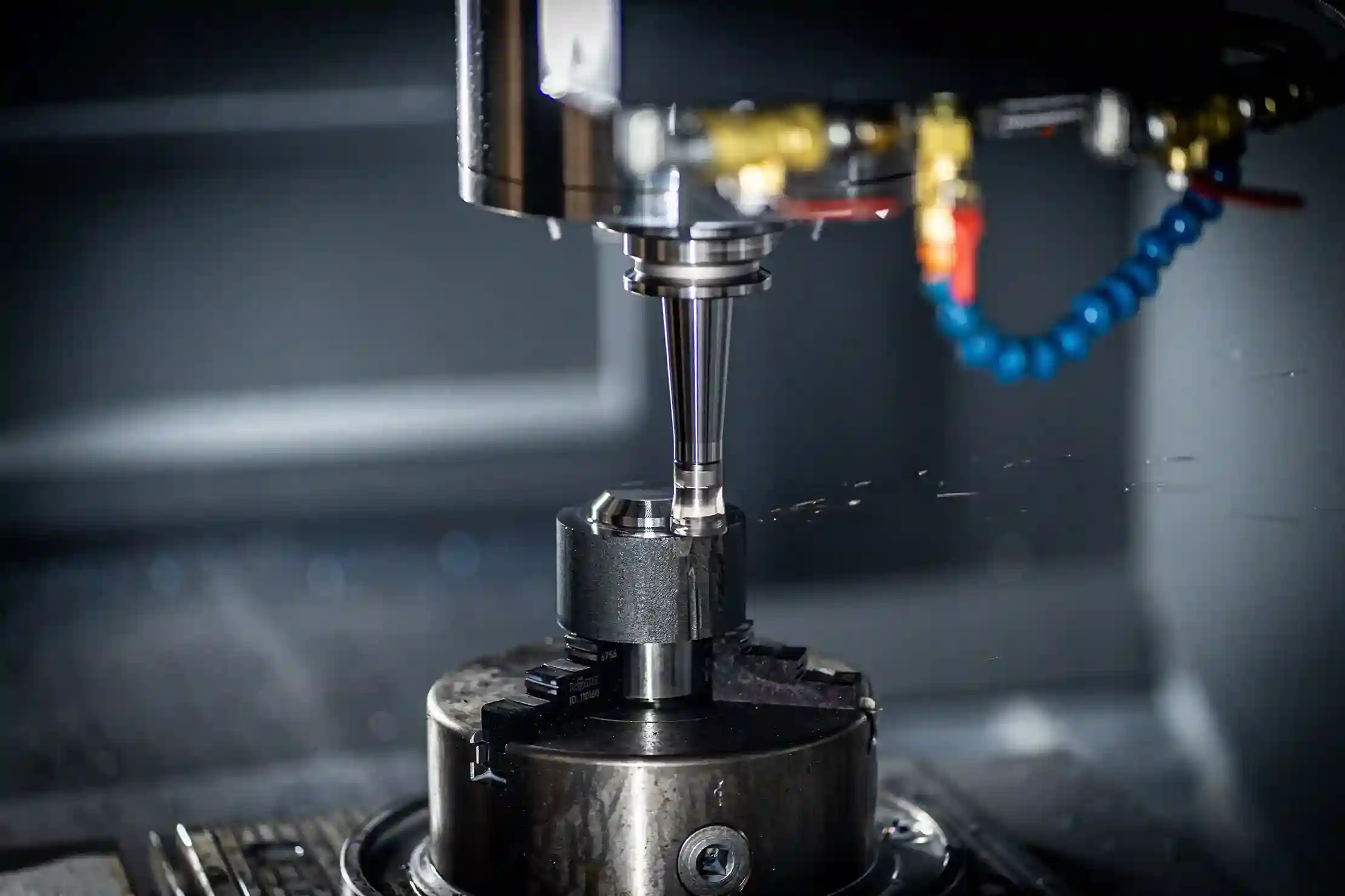
CNC Machining
Precision CNC machining options for clean energy equipment brackets, housings, mounting hardware, and custom mechanical components.
- 3-axis and 5-axis machining options
- Custom equipment brackets and housings
- Precision mechanical components
- Metal and engineering plastic machining
- Prototype and production requirements
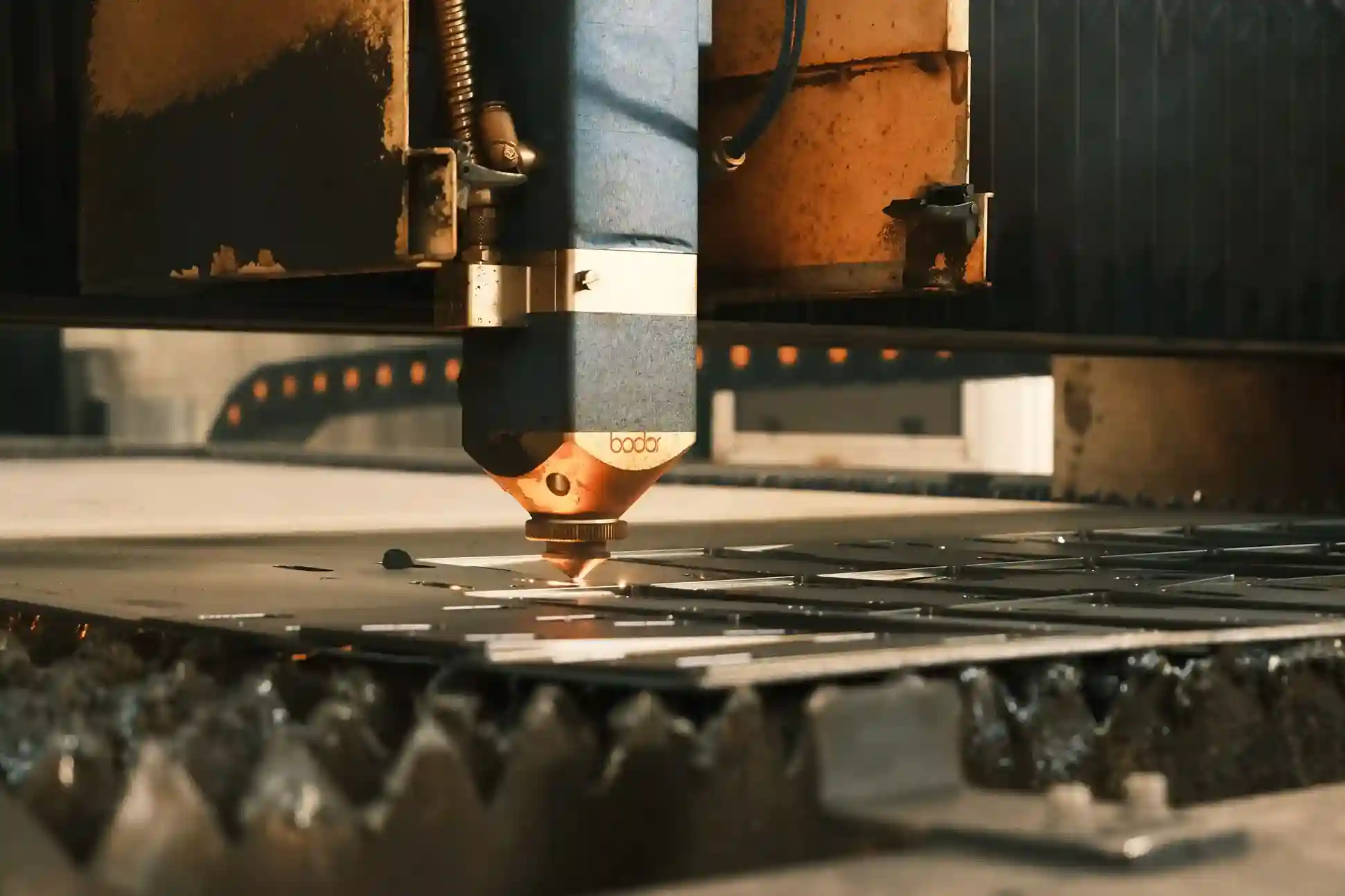
Sheet Metal Fabrication
Custom sheet metal fabrication options for climate technology equipment enclosures, panels, mounting structures, and supporting mechanical parts.
- Precision laser cutting and forming
- Custom equipment panels and enclosures
- Mounting brackets and support structures
- Welding and fabrication requirements
- Prototype and production quantities
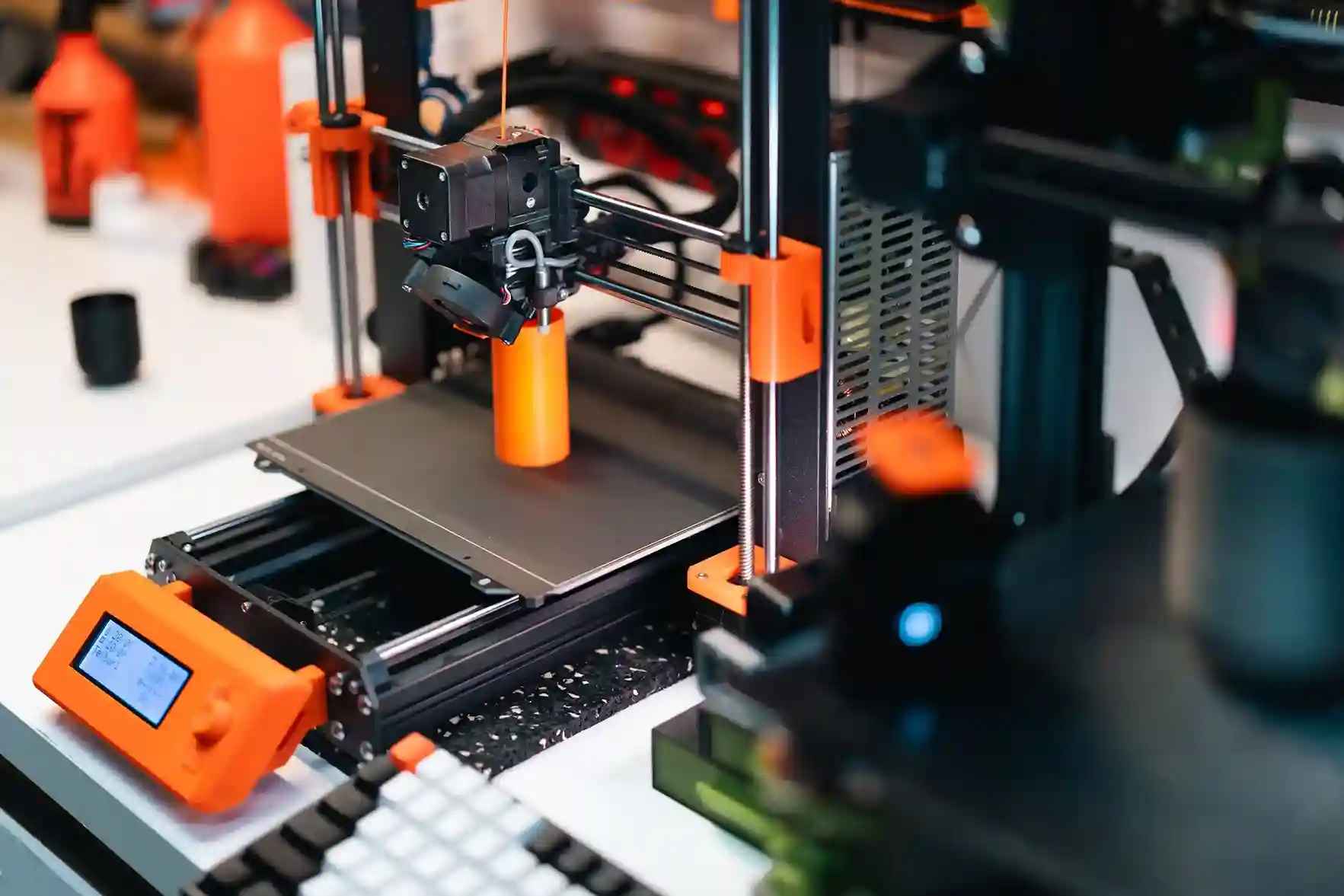
3D Printing & Prototyping
Additive manufacturing options for developing climate technology component prototypes and evaluating equipment design, fit, and functionality.
- Concept and functional prototypes
- Complex geometric features
- Design evaluation models
- Project-dependent material options
- Low-volume development applications
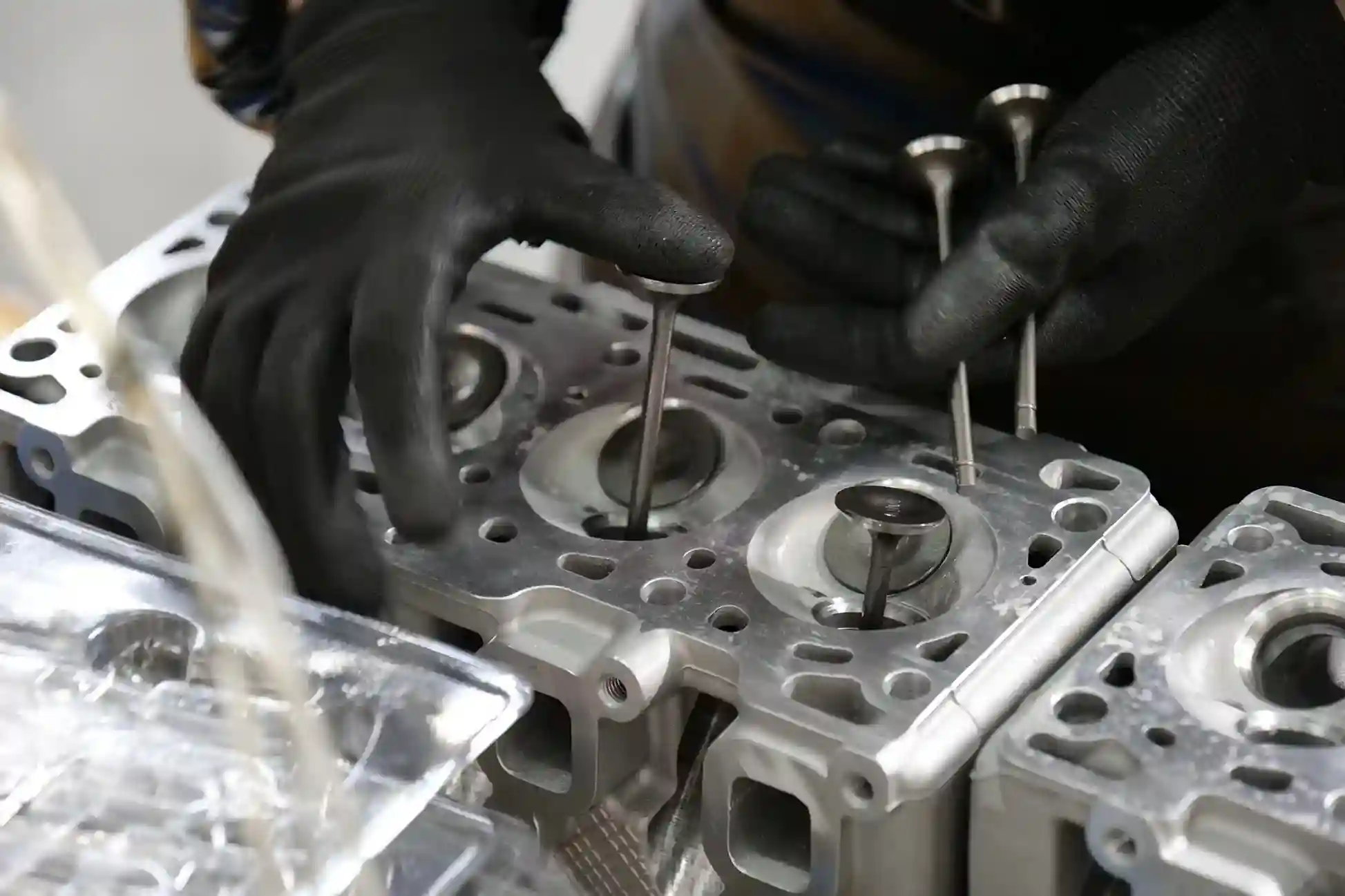
Mechanical Assembly Services
Supporting mechanical assembly options for custom climate technology equipment components, mounting arrangements, and manufactured parts.
- Equipment component assembly requirements
- Mechanical fastening applications
- Multi-component mounting arrangements
- Drawing-based assembly details
- Project-specific assembly scope
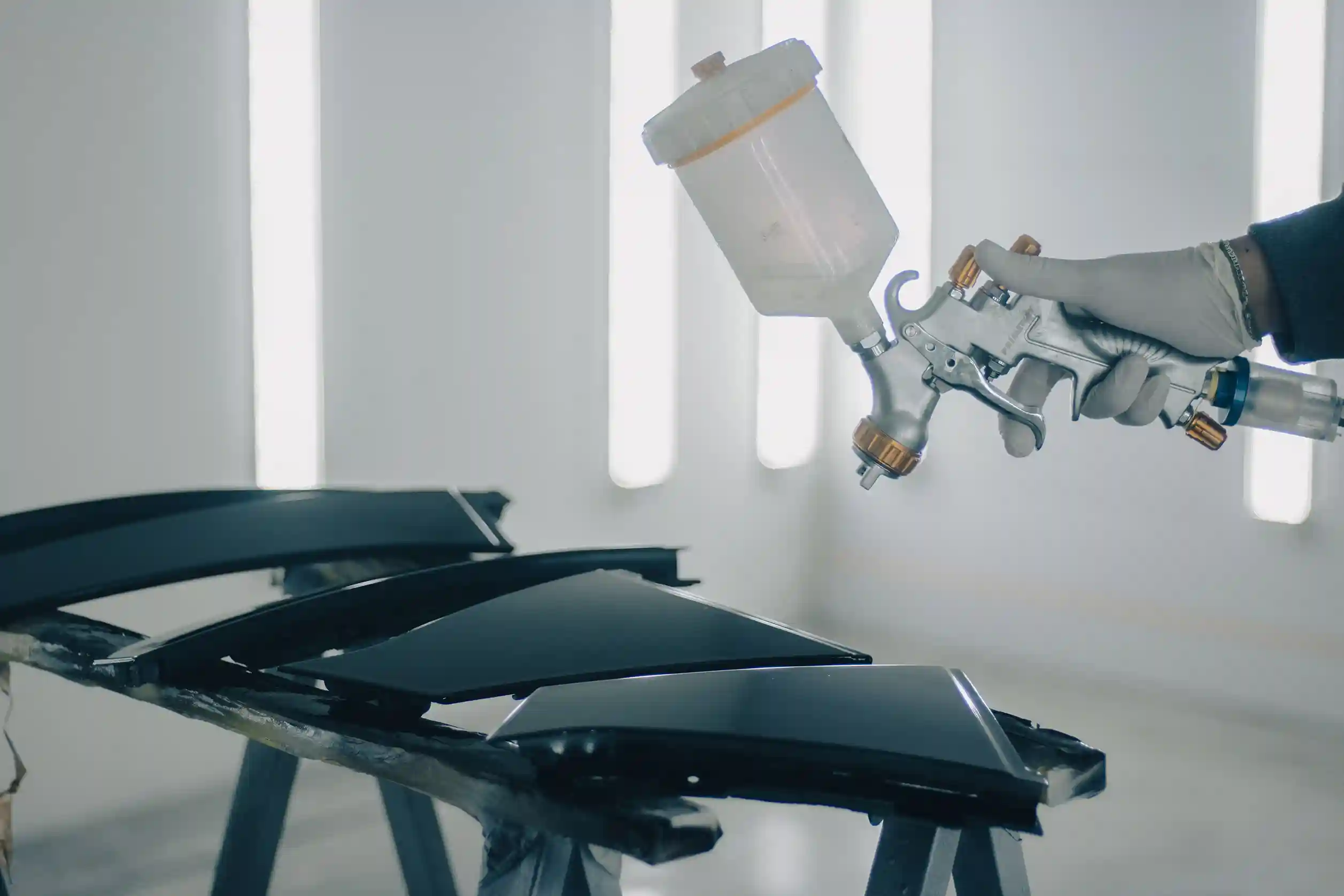
Surface Finishing & Quality Requirements
Review surface finishing, dimensional inspection, and documentation requirements for climate technology components based on materials and intended applications.
- Drawing and tolerance requirements
- Surface finish specifications
- Corrosion protection considerations
- Inspection and verification needs
- Documentation requirements review


PROTOTYPE TO PRODUCTION JOURNEY
From Climate Tech Prototype to Production
Explore the key stages of climate technology component development, from reviewing technical requirements and evaluating prototypes to selecting manufacturing processes for production.
Requirements & Design Review
Review equipment component drawings, material specifications, environmental conditions, and manufacturing requirements.
Prototype Manufacturing
Develop prototype components using suitable machining, fabrication, or 3D printing processes.
Evaluation & Verification
Assess prototype dimensions, fit, functionality, and relevant requirements against project specifications.
Production Planning
Determine suitable manufacturing processes, materials, quantities, and production considerations.
Repeat Production
Explore manufacturing options for repeat components based on approved specifications and agreed project scope.
EXPLORE OTHER INDUSTRIES
Engineering Solutions for Diverse Industry Needs.
Explore how Trinit's engineering design, precision manufacturing, and prototyping capabilities support custom component development and production requirements across multiple industries.

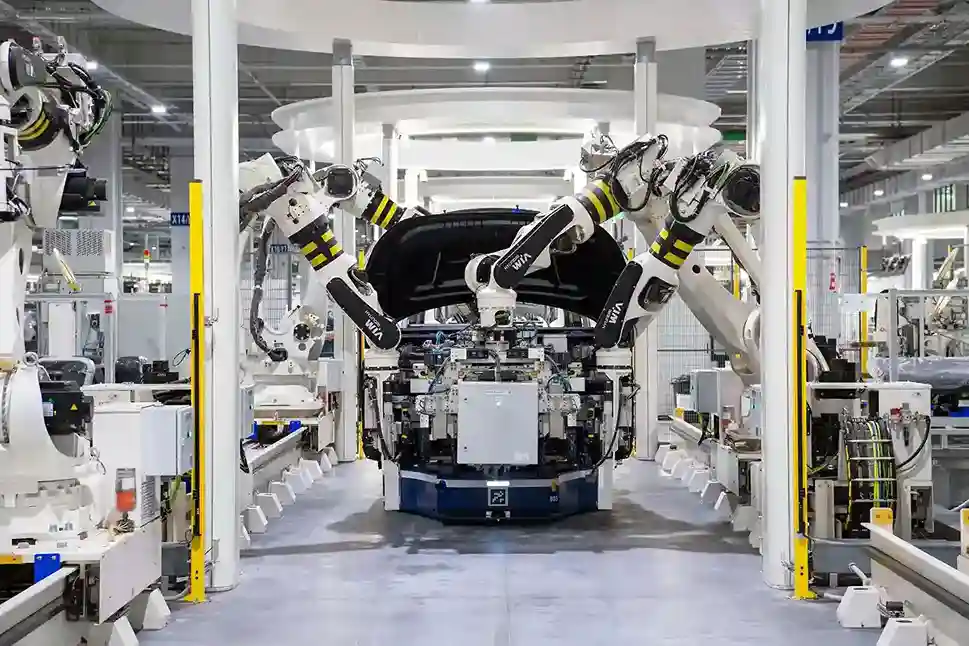

Have a Climate Tech Component Project in Mind?
Share your climate technology component drawings, material specifications, quantities, and manufacturing requirements with Trinit to discuss suitable manufacturing and production options.