


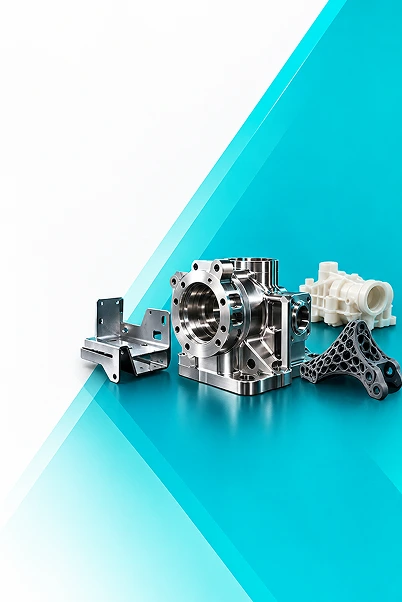


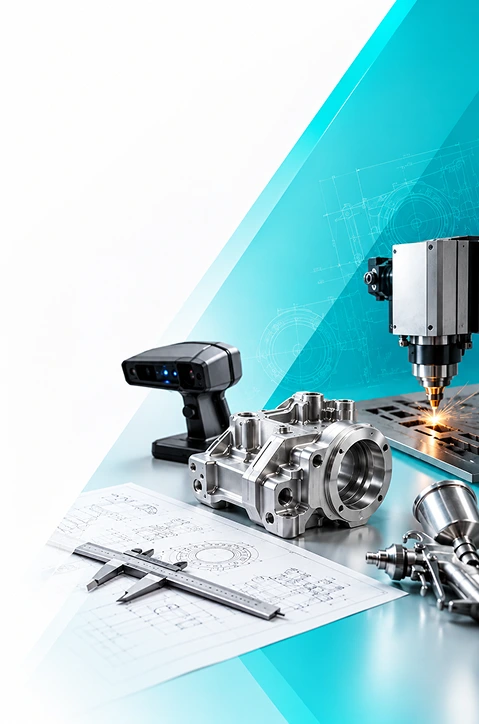



ROBOTICS MANUFACTURING
Precision Manufacturing Solutions for Robotics Components.

Explore CNC machining, sheet metal fabrication, and custom manufacturing solutions for robotic arm components, mounting brackets, structural frames, housings, and mechanical parts, based on your drawings and project specifications.
TRINIT PRO ROBOTICS CAPABILITIES
- Precision CNC Machining
- Complex Robotic Components
- Drawing-Based Manufacturing
- Prototype & Production Options


ROBOTICS MANUFACTURING REQUIREMENTS
Understanding Robotics Requirements. Exploring Manufacturing Solutions.
Robotics components can involve demanding requirements for dimensional accuracy, structural stability, material suitability, and mechanical fit. Explore how Trinit's engineering and manufacturing capabilities can support your robotic system development and production requirements.
Robotics Requirements
Precision & Mechanical Fit
Defined tolerances, accurate dimensions, and alignment requirements for moving components.
Material & Structural Requirements
Application-specific materials, component strength, weight, and load considerations.
Quality & Assembly Requirements
Consistent dimensions, mounting accuracy, and defined inspection requirements.
Prototype & Production Needs
Design iterations, functional prototypes, and varying production quantities.
Relevant Trinit Capabilities
Precision CNC Machining
Machining options for robotic components with specified dimensions and tolerances.
Material & Process Selection
Manufacturing processes and material options reviewed against mechanical requirements.
Specification & Quality Review
Discuss drawings, critical dimensions, assembly needs, and inspection requirements.
Prototype & Production Options
Manufacturing options for robotic component development, custom quantities, and repeat production.
WHY CHOOSE TRINIT FOR ROBOTICS MANUFACTURING
Manufacturing Capabilities for Robotics Applications.
Explore Trinit's precision machining, fabrication, prototyping, and engineering services for robotic mechanical components and automation equipment, with manufacturing options reviewed according to component geometry, materials, assembly needs, and project specifications.
Precision CNC Machining
Multi-axis machining options for robotic parts with complex features and specified dimensions.
Custom Robotic Components
Manufacturing support for robotic arm parts, mounting brackets, housings, and mechanical structures.
Rapid Prototype Development
Prototyping options for evaluating robotic component designs, fit, and functionality.
Engineering & Design Support
CAD design and engineering services for robotic component development and manufacturability.
Material & Finishing Options
Explore suitable metals, engineering plastics, and surface finishes for robotic applications.
Flexible Production Capabilities
Manufacturing options for custom components, varying quantities, and repeat production needs.
MANUFACTURING CAPABILITIES
Manufacturing Processes for Robotics Components.
Explore Trinit's CNC machining, sheet metal fabrication, 3D printing, assembly, and finishing services for robotic systems and automation equipment components. Process suitability depends on component design, material specifications, mechanical requirements, quantities, and applicable quality standards.
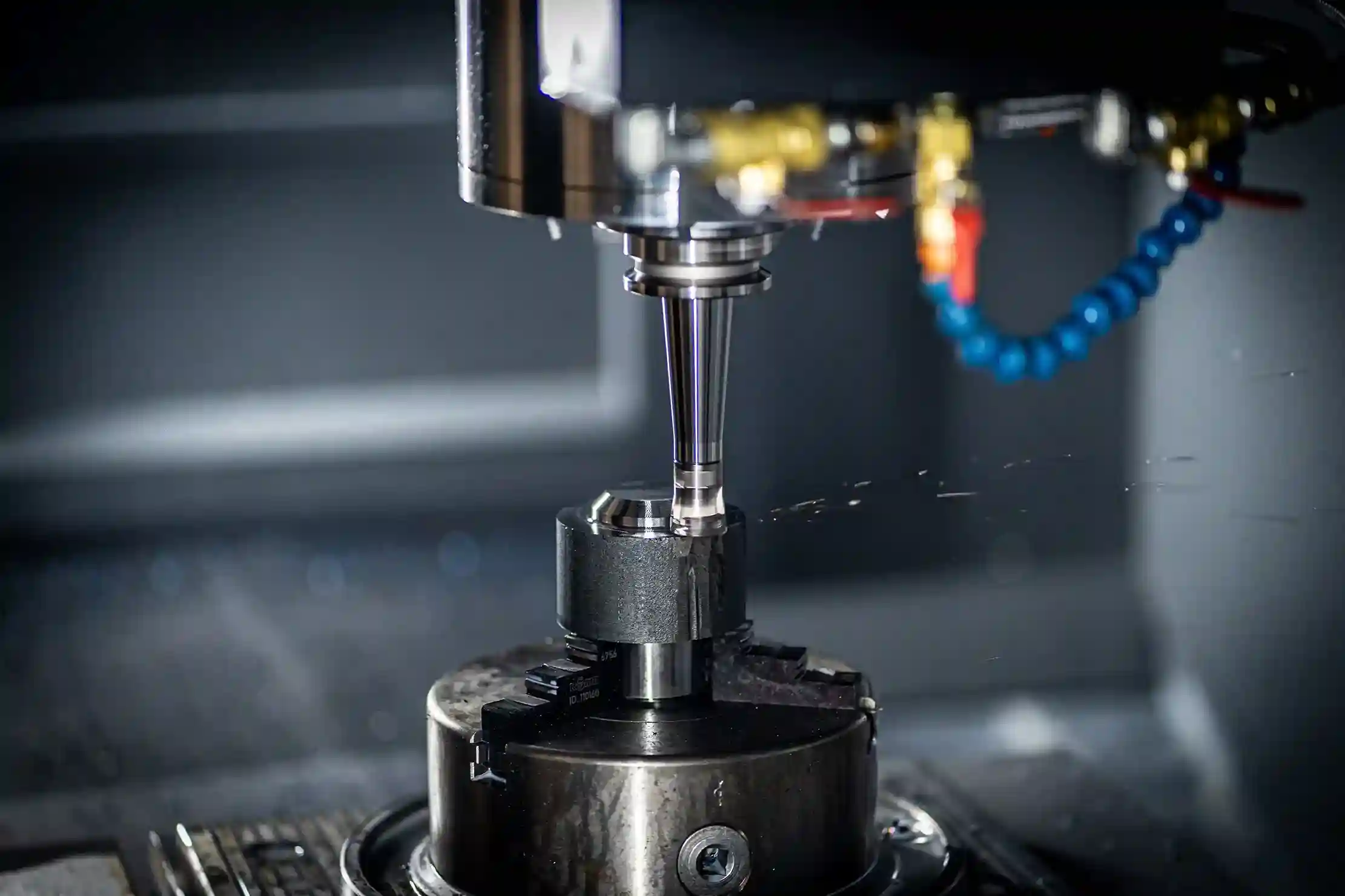
CNC Machining
Precision CNC machining options for robotic arm components, mounting brackets, joint housings, and custom mechanical parts with detailed features.
- 3-axis and 5-axis machining options
- Robotic arm and joint components
- Precision mounting brackets and housings
- Metal and engineering plastic machining
- Prototype and production requirements
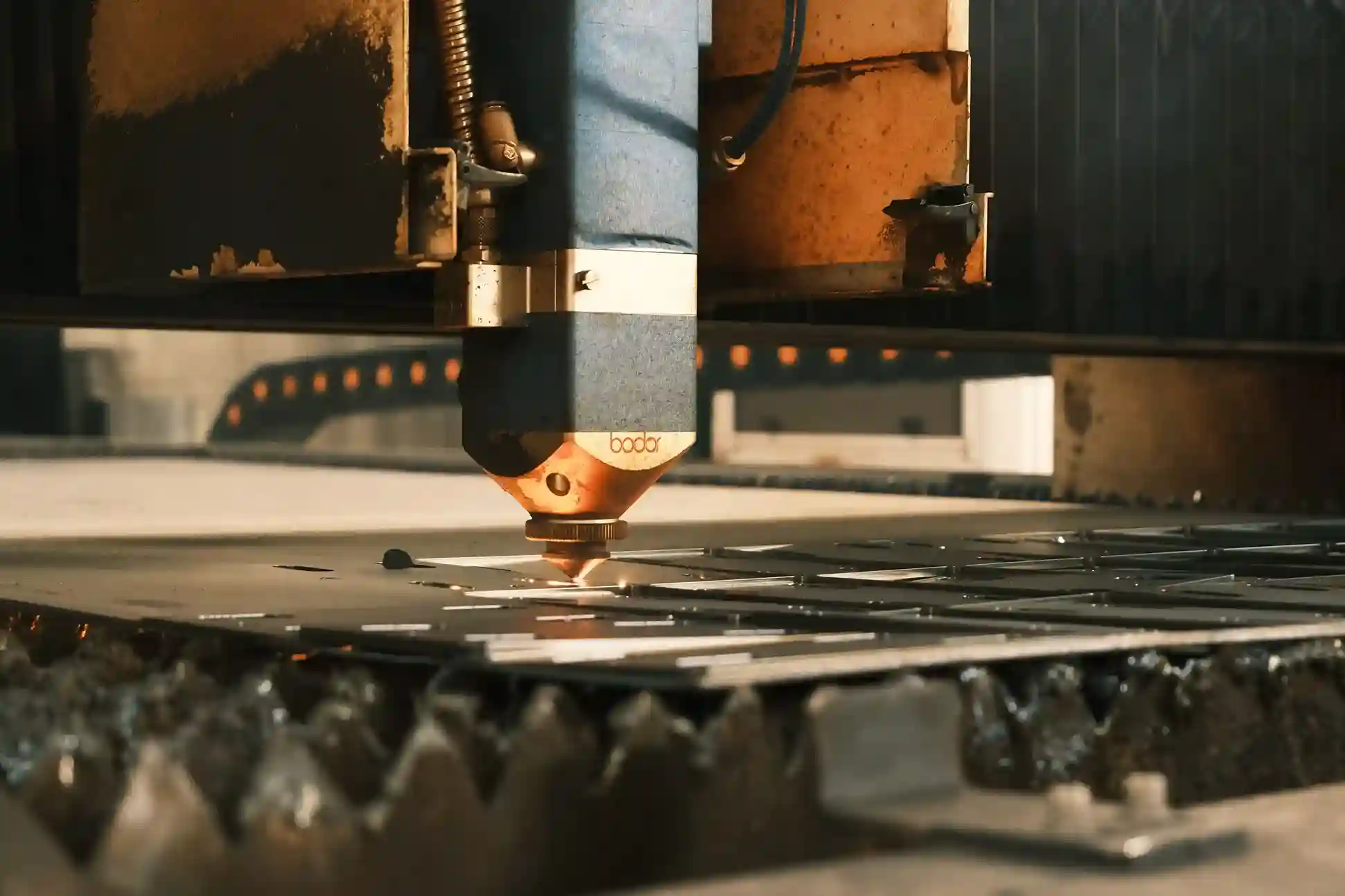
Sheet Metal Fabrication
Custom sheet metal fabrication options for robotic equipment enclosures, structural frames, mounting panels, and automation system components.
- Precision laser cutting and forming
- Robotic equipment panels and enclosures
- Structural brackets and support frames
- Welding and fabrication requirements
- Prototype and production quantities
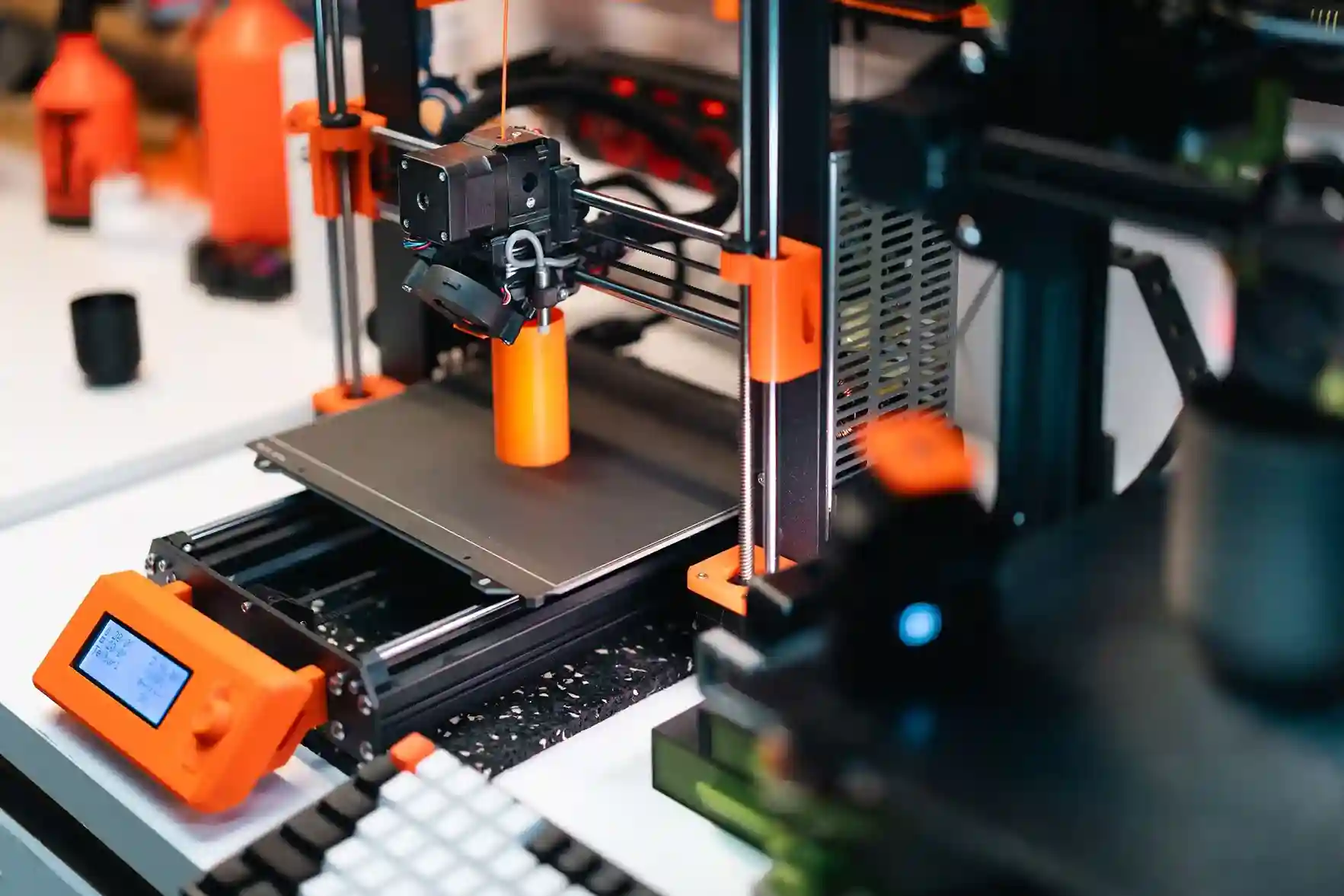
3D Printing & Prototyping
Additive manufacturing options for developing robotic component prototypes, evaluating complex designs, and testing mechanical fit and functionality.
- Concept and functional prototypes
- Complex robotic component geometries
- Design evaluation models
- Project-dependent material options
- Low-volume development applications
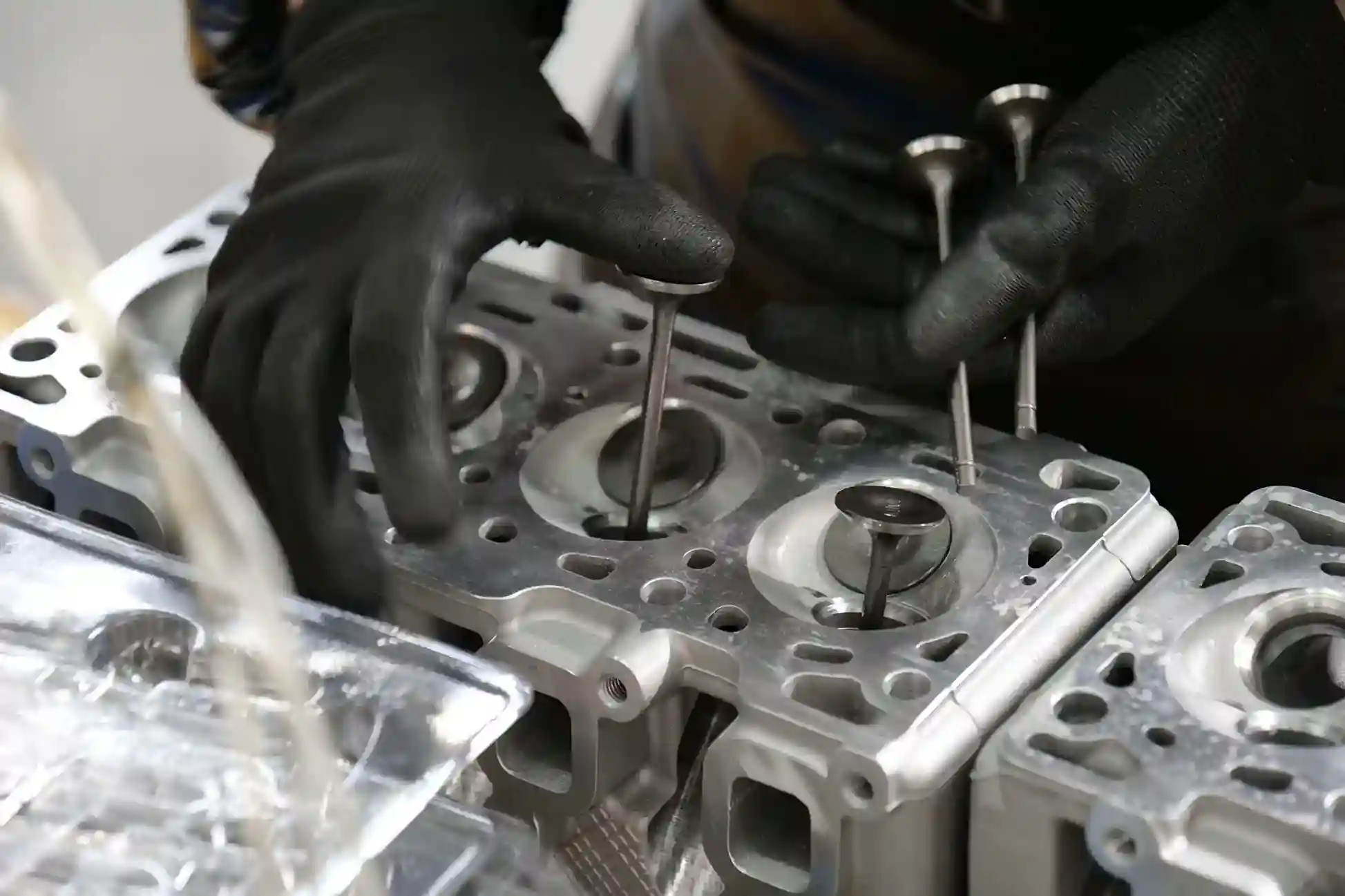
Mechanical Assembly Services
Supporting mechanical assembly options for robotic structures, mounting arrangements, and multi-component automation equipment assemblies.
- Robotic component assembly requirements
- Mechanical fastening applications
- Multi-component mounting arrangements
- Drawing-based assembly details
- Project-specific assembly scope
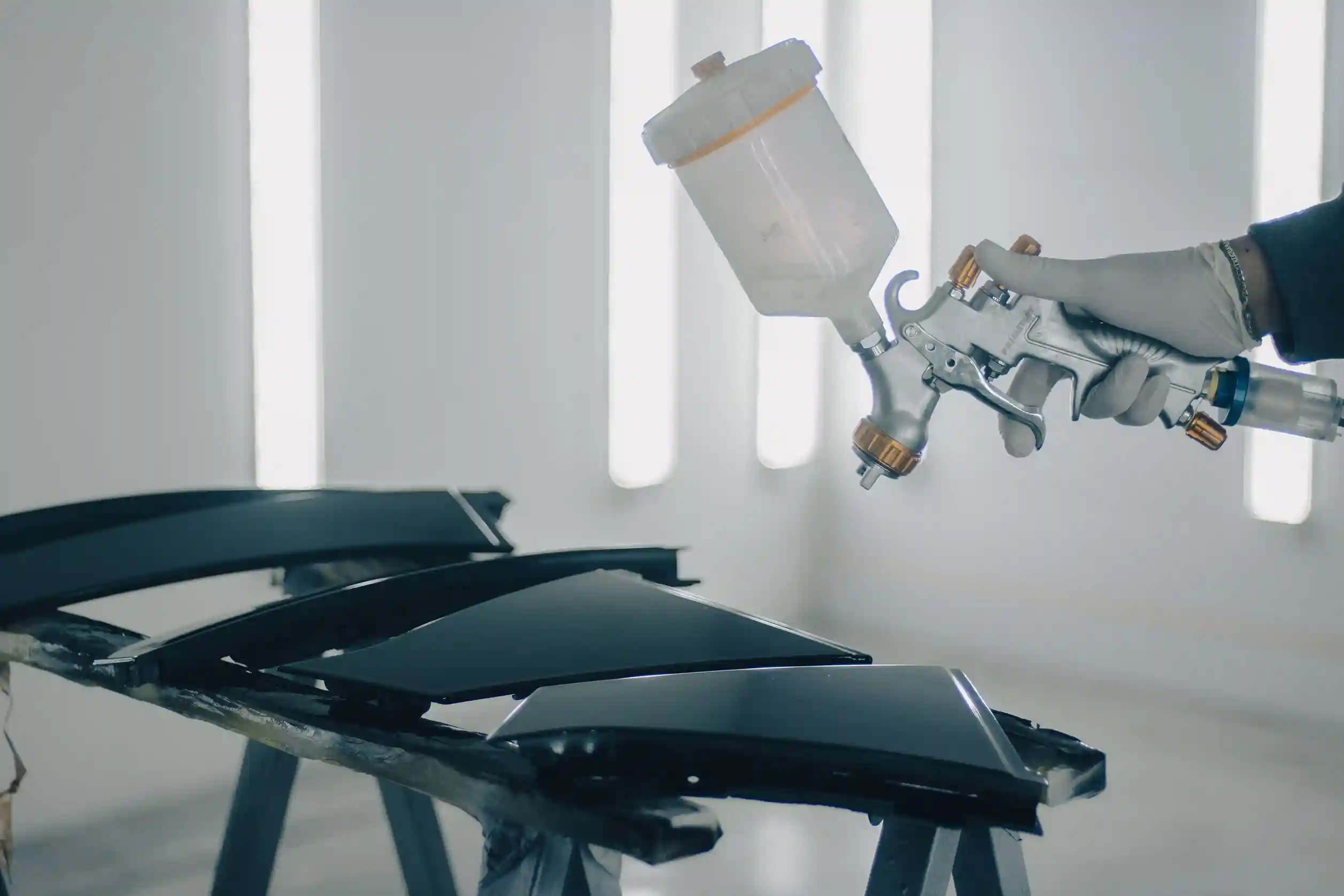
Surface Finishing & Quality Requirements
Review dimensional inspection, surface finishing, and documentation requirements for robotic mechanical components according to project specifications.
- Drawing and tolerance requirements
- Critical dimension identification
- Surface finish specifications
- Inspection and verification needs
- Documentation requirements review


PROTOTYPE TO PRODUCTION JOURNEY
From Robotics Prototype to Production
Explore the key stages of robotic component development, from reviewing mechanical design requirements and evaluating prototypes to selecting manufacturing processes for production.
Requirements & Design Review
Review robotic component drawings, material specifications, mechanical functions, and manufacturing requirements.
Prototype Manufacturing
Develop prototype components using suitable CNC machining, fabrication, or 3D printing processes.
Evaluation & Verification
Assess prototype dimensions, alignment, mechanical fit, and functional requirements against design specifications.
Production Planning
Determine suitable manufacturing processes, materials, quantities, and assembly considerations.
Repeat Production
Explore manufacturing options for repeat components based on approved designs and agreed production requirements.
EXPLORE OTHER INDUSTRIES
Engineering Solutions for Diverse Industry Needs.
Explore how Trinit's engineering design, precision manufacturing, and prototyping capabilities support custom component development and production requirements across multiple industries.

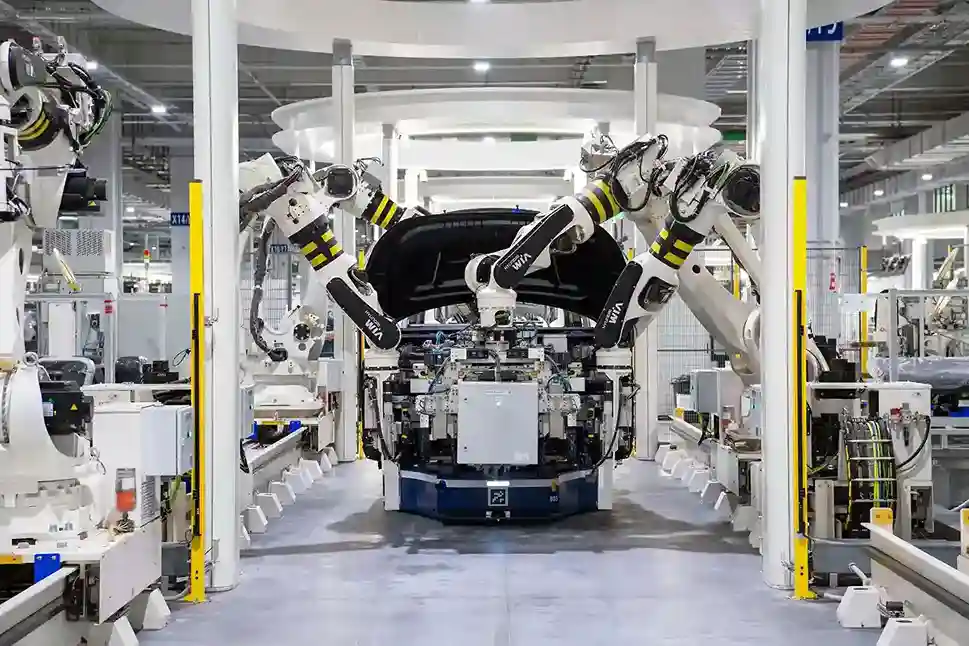


Have a Robotics Component Project in Mind?
Share your robotic component drawings, material specifications, quantities, and manufacturing requirements with Trinit to discuss suitable manufacturing and production options.