




Phase 01
Prepare
What should you include in your project requirements?
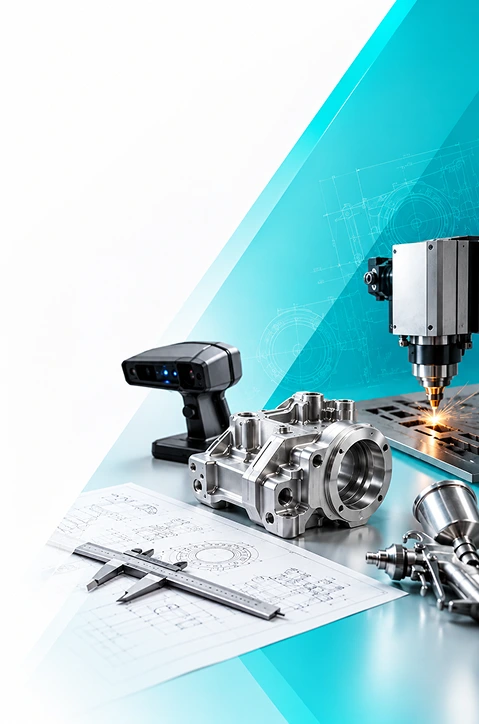
- CAD models and technical drawings
- Required quantities and part dimensions
- Preferred materials and finishes
- Critical tolerances and functional requirements

Explore manufacturing guides, frequently asked questions, and practical information about processes, materials, quality, and working with Trinit.

MANUFACTURING WORKFLOW
Understand the essential decisions involved in preparing part requirements, selecting manufacturing processes, reviewing quality needs, and planning delivery.
Phase 01
What should you include in your project requirements?
Phase 02
Which manufacturing process and material fit your part?
Phase 03
What requirements should be considered during manufacturing?
Phase 04
What influences production timelines and delivery planning?
Essential Reading
Explore practical information on material selection, technical drawings, manufacturing quality, production planning, and project enquiries.
FEATURED RESOURCE
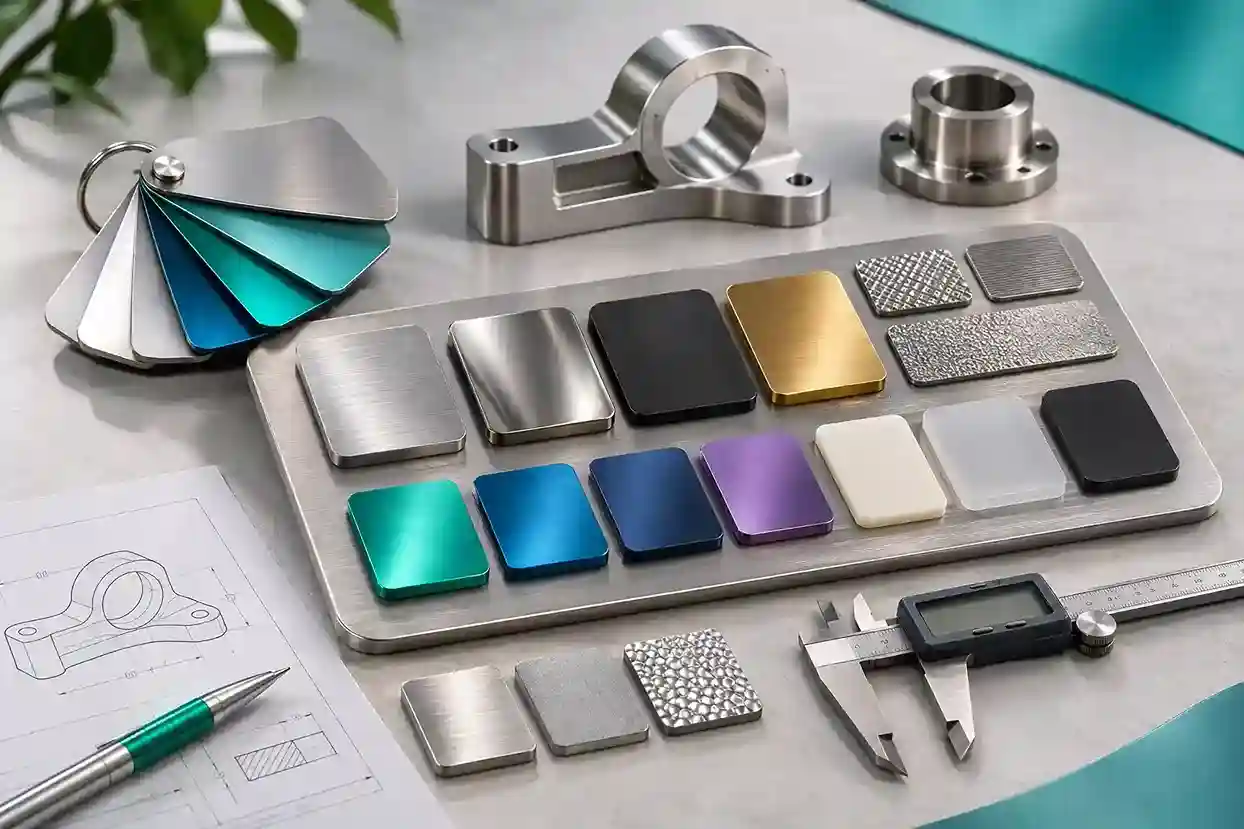
Explore metals, engineering plastics, 3D printing materials, and available surface finishing options to better understand material choices for custom manufactured parts.
Manufacturing Guide
Compare manufacturing methods based on part geometry, material requirements, functional needs, and production quantities to identify a suitable starting point for your project.

Laser Cutting / CNC Machining / Welding
Best Considered When:
KEY CONSIDERATIONS: Material, Thickness, Bend Geometry

3-, 4-, & 5-Axis Milling / Turning
Best Considered When:
KEY CONSIDERATIONS: Material, Geometry, Tolerances

FDM / SLA / SLS / DLP
Best Considered When:
KEY CONSIDERATIONS: Technology, Material, Part Function

Plastic Components / Repeat Production
Best Considered When:
KEY CONSIDERATIONS: Tooling, Material, Quantity
Manufacturing process suitability depends on part geometry, material properties, dimensional requirements, surface finish, and production quantity.
Explore All CapabilitiesFAQ
Find answers about Trinit manufacturing processes, production capabilities, materials, quality considerations, and project enquiries.
Trinit focuses on CNC machining, sheet metal fabrication, injection molding, and 3D printing, along with related engineering and manufacturing support. The most suitable process depends on your part geometry, material, quantity, and requirements.
Prototype and low-volume requirements can be reviewed. Share your CAD model, expected quantity, material, and intended application so the team can evaluate manufacturing feasibility and appropriate processes.
Production requirements can be discussed according to process, tooling, part complexity, material availability, and expected volume. Capacity and delivery schedules should be confirmed for each project.
A useful starting point includes a CAD model or drawing, material specifications, quantity, tolerances, required finishes, project location, expected delivery date, and any special quality requirements.
Common manufacturing exchange formats include STEP and IGES, accompanied by PDF drawings when dimensions, tolerances, or notes need to be communicated. Confirm supported file types when submitting a project.
Material selection depends on the manufacturing process and specific part requirements. Discuss the intended metal or polymer grade, strength, corrosion resistance, operating environment, and availability with the team.
Finishing requirements can be evaluated as part of the project review. Specify the desired surface appearance, roughness, coating, corrosion protection, and any applicable standard or color requirement.
Communicate critical dimensions, GD&T information, fits, and functional requirements through your manufacturing drawings. Achievable tolerances depend on geometry, material, process, and inspection method.
Inspection requirements should be defined during project review. Depending on the agreed scope, discussions may include dimensional checks, first-article inspection, material documentation, and specialized measurement reports.
Lead times depend on material procurement, design complexity, quantity, machine and tooling requirements, finishing, inspection, and shipping arrangements. Confirm the expected schedule through your quotation.
Engineering-related requirements such as CAD design support, manufacturability review, prototyping, and production preparation can be discussed with the team.
Use the Contact Us page to describe your project and share key requirements. You can also email [email protected] to initiate a discussion about your part, process, quantity, and next steps.

Have questions about manufacturing processes, materials, or part requirements? Share your project details with Trinit to discuss available manufacturing options.
Discuss Your Project